Progress
How We Research, Write and Build
Our guides and tools exist to genuinely help you see and understand your progress. Here’s how we make them, and what you can hold us to.
Who writes our content
Progress is made by Textual, the studio of Oscar Newman, a designer and engineer who built the app after years of lifting, weight loss and a GLP-1 journey. Oscar sets the topics and the standards on this page, and is responsible for everything we publish.
How we choose topics
We start from real questions: what people search for, the follow-up questions they ask, and what they discuss in fitness communities. Then we look at what already answers them. We only publish when we can make something clearly better, usually more accurate, clearer, or interactive where others offer a wall of text.
Research and sources
- Primary sources first. Health and physiology claims cite peer-reviewed research (PubMed and PubMed Central), public health agencies such as the CDC and NIH, professional bodies, or official documents such as program rules and government directives. We read the source before we cite it, and link it so you can too.
- No invented numbers. If we can’t find a reliable source for a figure, we leave it out or say plainly that it’s a rule of thumb.
- Dated where it matters. Rules, prices and app features change. Comparisons and policy-dependent pages say when they were checked, and we update them when the facts change. For example, our Army body fat calculator follows the 2026 waist-to-height standard rather than the rescinded tape test.
How we build and test the free tools
We design and build our calculators and photo tools ourselves. Each one uses formulas from cited sources, is checked against hand-worked examples and, where they exist, official reference tables, and explains its method and limits on the page. They run in your browser.
Imagery
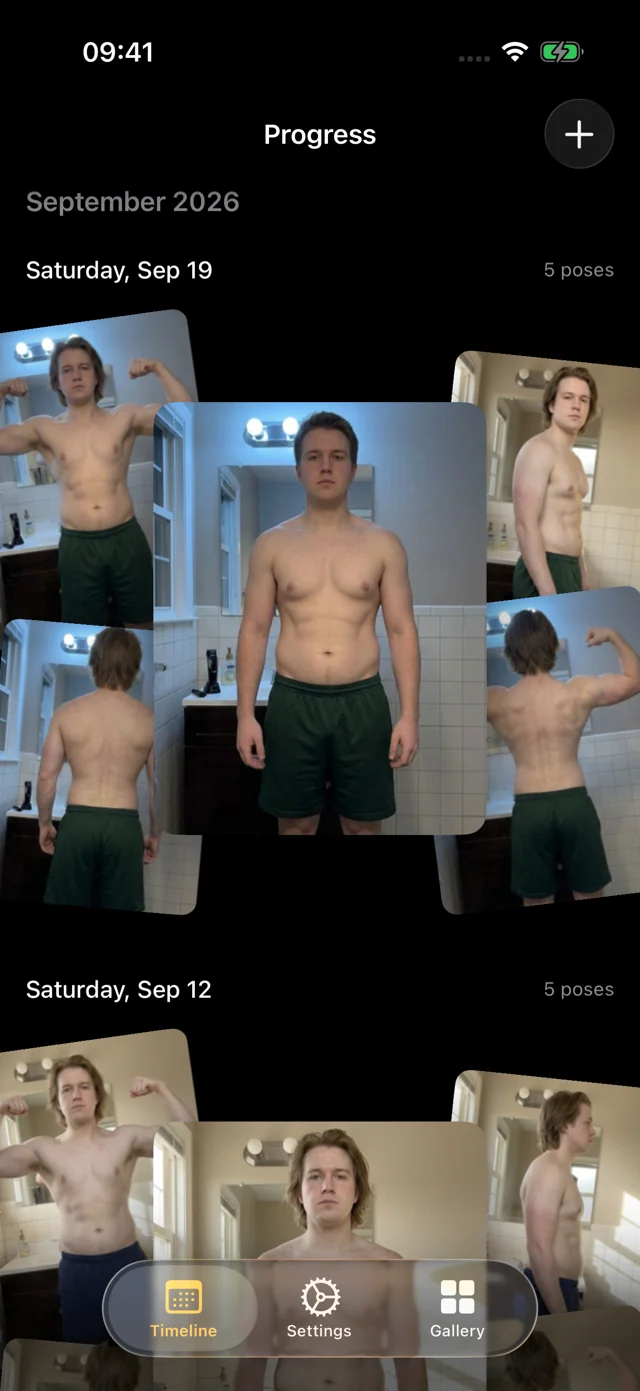
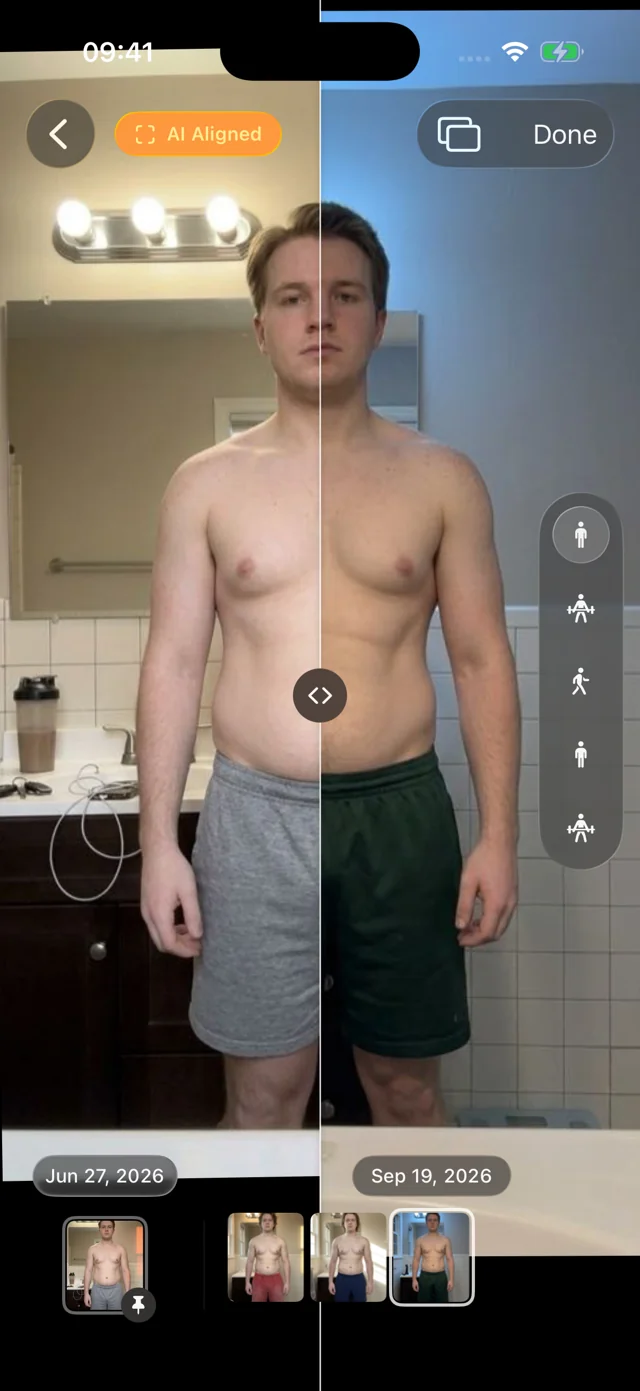
We use illustrations, diagrams and real screenshots of the Progress app. Where we show sample people, they are illustrative: either our sample photo sets or generated images. They are always labeled as illustrative and never presented as real customer results or as the outcome of a specific program, drug or timeframe.
Health content and medical advice
- Talk to a professional. Before starting, stopping or changing any diet, training program, medication (including GLP-1 medications) or weight goal, talk with your doctor or another qualified clinician who knows your health history.
- Estimates, not diagnoses. Our calculators produce estimates from published formulas. Results can be wrong for your body, and they aren’t clinical measurements or health assessments.
- No dosing, no promises. We never give medication or dosing guidance, and we don’t promise results. Bodies respond differently, and change takes time.
- No medical reviewer. We don’t currently have a clinician reviewing our content. Instead we hold ourselves to primary sources and conservative claims, and we say so here plainly.
- In an emergency, or if you’re worried about your health, eating or weight, contact a medical professional or your local emergency services right away.
Independence and our own app
We make Progress, and we say so wherever we mention it. We recommend it only where it genuinely solves the problem a page is about. In comparisons, we describe other products only from their own listings and websites, date what we found, and say when another option is the better choice. We don’t accept payment for placement and don’t use affiliate links.
How we work
We’re a small, independent studio. Like most teams today, we use modern software tools, AI among them, to work faster, but every page is shaped around the standards above: researched against its sources, checked before it’s published, and revised when we learn something new.
Corrections and updates
Found something wrong or out of date? Tell us through support. We correct errors promptly, and every page shows when it was last updated.